

The Sound of Music is one of those rare musicals that has woven itself into the cultural fabric—part family drama, part romance, part political awakening, and wholly uplifting.
First staged in 1959 and immortalised by the 1965 Julie Andrews film, it tells the true story of the spirited Maria Rainer, a would-be nun who becomes governess to the seven children of the widowed Captain Georg von Trapp in 1930s Austria. As the family discovers music, love, and courage in the face of rising Nazi occupation, the show remains a timeless reminder of resilience and the power of staying true to oneself.
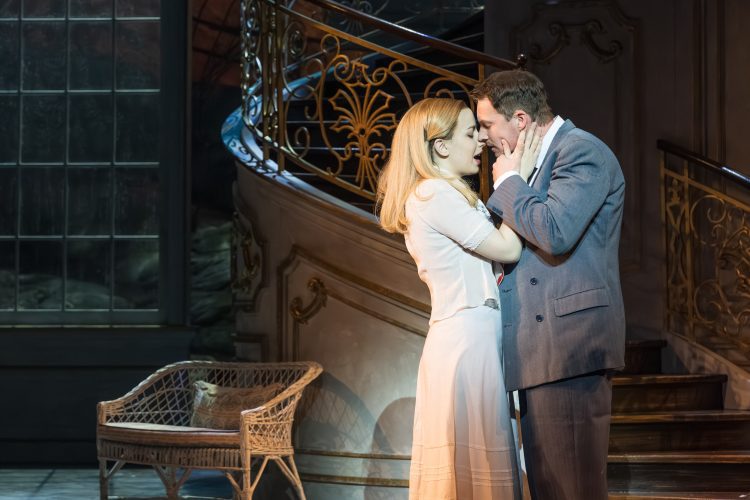
Picture credit: Marc Brenner
Curve’s latest production embraces every inch of that legacy—and elevates it.
From the moment the curtain rose, the production design was nothing short of breathtaking. The sets were spectacular, shifting effortlessly between the grandeur of Captain von Trapp’s home and the sun-drenched hillside where Maria joyfully sings the iconic title number. The atmospheric monastery scenes were especially striking: flickering candles, cloistered stonework, and a choir of nuns whose angelic harmonies made me feel as though I’d stepped into a sacred space rather than a theatre. It was world-class stagecraft—meticulous, immersive, and deeply evocative.
The cast, led by the legendary Olivier Award–winning Joanna Riding as the Mother Abbess, brought heartfelt authenticity to the story. Riding’s soaring performance of “Climb Ev’ry Mountain” was a moment of pure transcendence. Her delivery was so emotionally charged that it brought a tear to my eye—a powerful reminder that the story is, at its core, about finding the courage to live boldly and fearlessly. It’s a message that lingers long after the final bow.
A real highlight came with “How Do You Solve a Problem Like Maria?”, performed with impeccable comedic timing. The number radiated warmth and cheeky charm, delighting the audience and setting the tone for the playfulness to come.
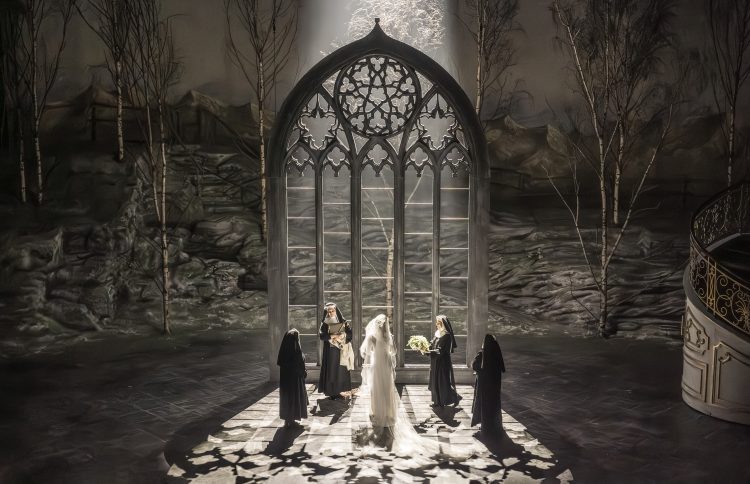
Picture credit: Marc Brenner
As Maria, Molly Lynch offered something fresh and slightly unexpected. Rather than echoing Julie Andrews’ iconic interpretation, she infused the role with a warm Irish wit and a subtly modern, quirky spark. Her performance was daring in the best way—endearingly sincere one moment, delightfully mischievous the next. It was a Maria with individuality, and it worked beautifully.
Opposite her, David Seadon Young delivered a noble and stoic Captain von Trapp. His portrayal of the strict, steadfast naval captain gradually thawing under Maria’s influence felt grounded and sincere. The chemistry between him and Lynch grew naturally and convincingly, giving real emotional weight to their romance.
The von Trapp children—so essential to the heart of the story—were uniformly impressive. Aviva Tulley’s Liesl was a standout, her vocals effortlessly soaring through the theatre. Her duet with Christian Cooper on “Sixteen Going on Seventeen” was charming, playful, and utterly crowd-pleasing.
But the undeniable star among the young performers was Mimi-Kimara Clarson as little Gretl. Adorable, confident, and irresistibly talented, she lit up the stage every time she appeared—a tiny powerhouse who is surely one to watch for the future.
Curve’s The Sound of Music isn’t just a revival—it’s a celebration. A celebration of story, song, faith, courage, and the enduring magic of musical theatre. With its stunning visuals, heartfelt performances, and impeccable musicality, this production is a must-see this season.
See it before January 17—you’ll leave the theatre humming, smiling, and maybe just a little braver.