

Harper Lee’s To Kill a Mockingbird remains one of the most powerful and enduring stories in modern literature, and Aaron Sorkin’s stage adaptation — now on tour at Curve Theatre, Leicester — brings that story to life with remarkable energy, intelligence, and heart.
Set in the fictional town of Maycomb, Alabama, during the 1930s, the play follows the coming-of-age story of Scout Finch, a young girl growing up in a deeply segregated and morally conflicted community. Her father, Atticus Finch, is a respected lawyer appointed to defend Tom Robinson, a Black man falsely accused of raping a white woman, Mayella Ewell. Despite clear evidence of Tom’s innocence, an all-white jury convicts him — a devastating reflection of racial prejudice and injustice.
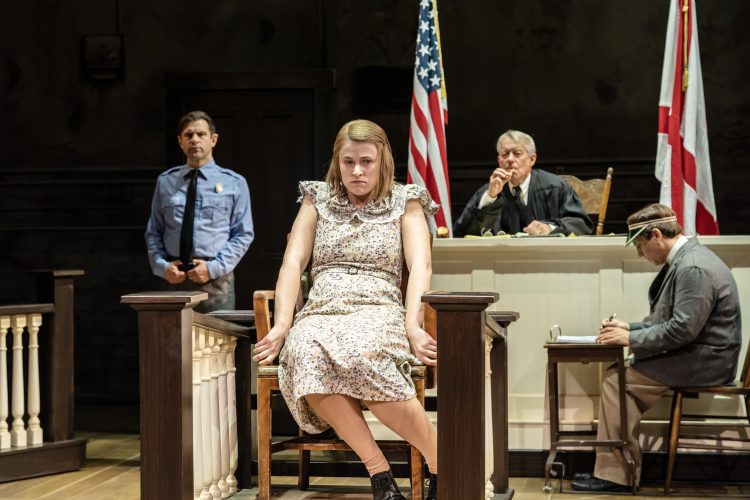
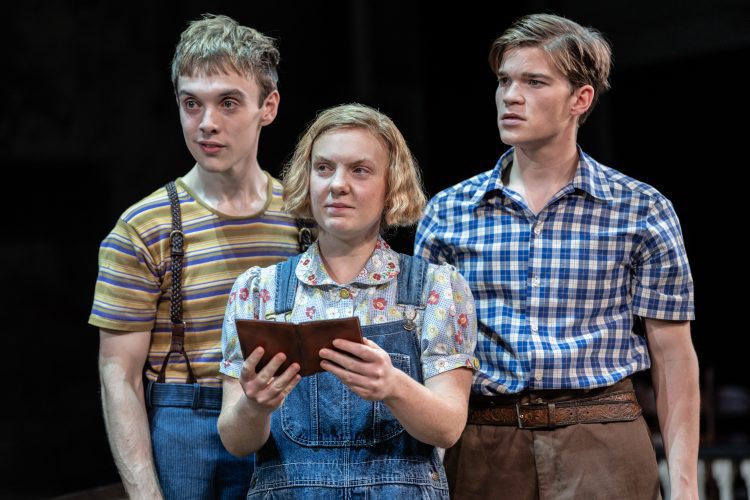
Parallel to this courtroom drama runs the thread of childhood curiosity and courage. Scout and her brother Jem spend their days fascinated and frightened by their reclusive neighbour, Boo Radley, a figure who ultimately teaches them that empathy and understanding are the truest forms of bravery.
The character of Scout Finch was played expertly by Anna Munden, who narrated much of the story alongside her brother Jem (played by Gabriel Scott). Her Alabama accent, diction, and mannerisms were impeccable, drawing the audience into the world of Maycomb with an authenticity and warmth that made every line compelling. I found myself captivated by her performance and hanging on every word — her natural charisma and emotional intelligence made Scout feel wonderfully real.
Another standout performance came from Richard Coyle as Atticus Finch. There are few roles in modern theatre burdened with as much expectation as Atticus — he is not just a character, but a moral compass, a father figure, and for many, the embodiment of decency. Coyle steps into Atticus’s shoes with disarming humanity. His performance neither mythologises nor modernises Atticus beyond recognition; instead, it finds the quiet centre of a man doing his best to be good in a world determined to make that difficult. His courtroom scenes are commanding but never theatrical — his power lies in restraint, in words weighed carefully rather than shouted.
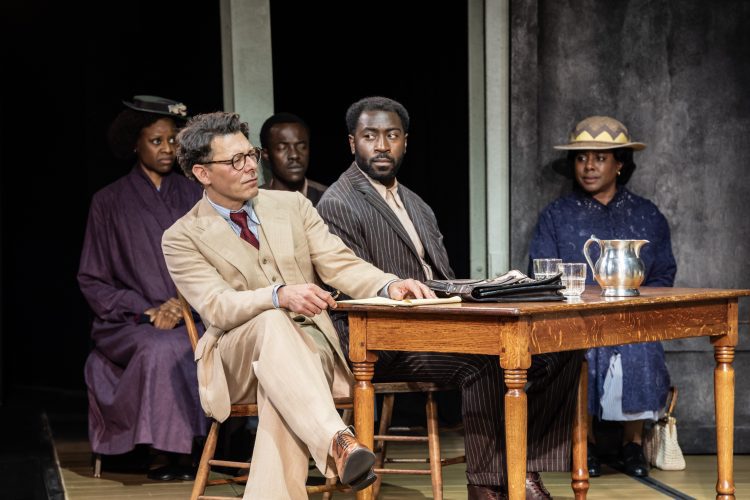
The production design at Curve was simple yet striking. I loved the slick way the sets and scenery were moved to transform the stage from the Finch family porch to the tense, stifling courtroom. The fluid transitions kept the pacing sharp and gave a cinematic flow to the story, while warm lighting and period-accurate costuming grounded the audience firmly in 1930s Alabama.
This production captures everything that makes To Kill a Mockingbird so beloved: the innocence of childhood, the courage to stand for justice, and the quiet power of empathy. When Scout repeats her father’s lesson — “You never really understand a person until you climb into his skin and walk around in it” — the audience sits in reflective silence. It’s a story that still speaks to the world today, reminding us that decency, compassion, and courage remain our greatest acts of resistance.
????½ (4.5 / 5)
To Kill a Mockingbird is playing at Curve Theatre until until Saturday, November 1.
For tickets visit: https://www.curveonline.co.uk/whats-on/shows/to-kill-a-mockingbird/