

Loughborough has officially announced its intention to bid for the UK Town of Culture 2028 title, entering a national competition launched by the Department for Culture, Media and Sport.
The initiative invites towns across the UK to present their unique cultural identity while developing ambitious programmes that celebrate heritage, creativity and local communities. The winning town will receive funding to deliver a large-scale cultural programme in 2028, aimed at boosting civic pride, attracting visitors and widening access to cultural activities—particularly for groups with limited current engagement.
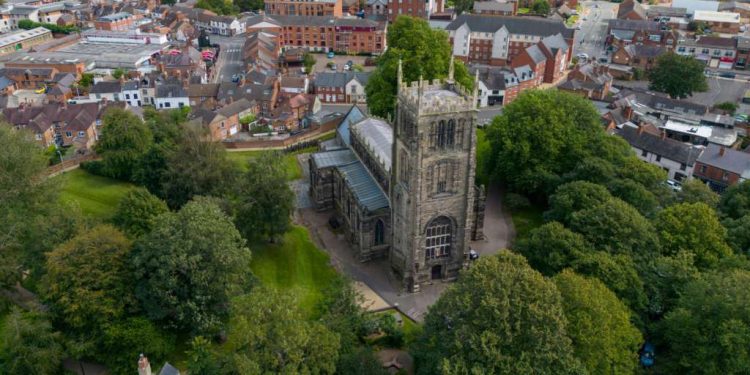
Picture credit: Loughborough University
Loughborough’s bid is currently at the Expression of Interest stage, the first step in the competitive selection process. The proposal is being led by Loughborough University in partnership with Charnwood Borough Council and a network of organisations working closely with local communities.
If shortlisted, the next phase will involve extensive consultation with residents, community groups and local organisations to help shape a comprehensive and inclusive cultural programme.
The bid highlights Loughborough’s strong collaborative spirit, bringing together cultural groups, education providers and community organisations to showcase the town’s diversity and creativity.
A key part of the proposal will celebrate the town’s rich heritage, including John Taylor & Co Bellfoundry—the last working bellfoundry in the UK—which has produced more than 25,000 bells since 1859 for towers in over 100 countries. The historic Great Central Railway will also feature prominently, alongside recognition of the town’s vibrant and diverse population, from long-established South Asian communities to newer European residents and its large student body.
The UK Town of Culture competition builds on the success of the UK City of Culture programme, which has previously brought significant investment and national attention to places such as Bradford and Coventry.
The inaugural UK Town of Culture will be selected through a national process, with the winning location set to deliver its cultural programme in 2028.